Connect every source
Bring ERP records, sensor telemetry, spreadsheets and third-party APIs into one governed information layer with consistent schemas.
Concept demo by Exergist. This domain and brand are available. Learn more
Information · Intelligence · Execution
Exintix connects your data, applies intelligence and triggers the right actions across teams and systems, automatically.
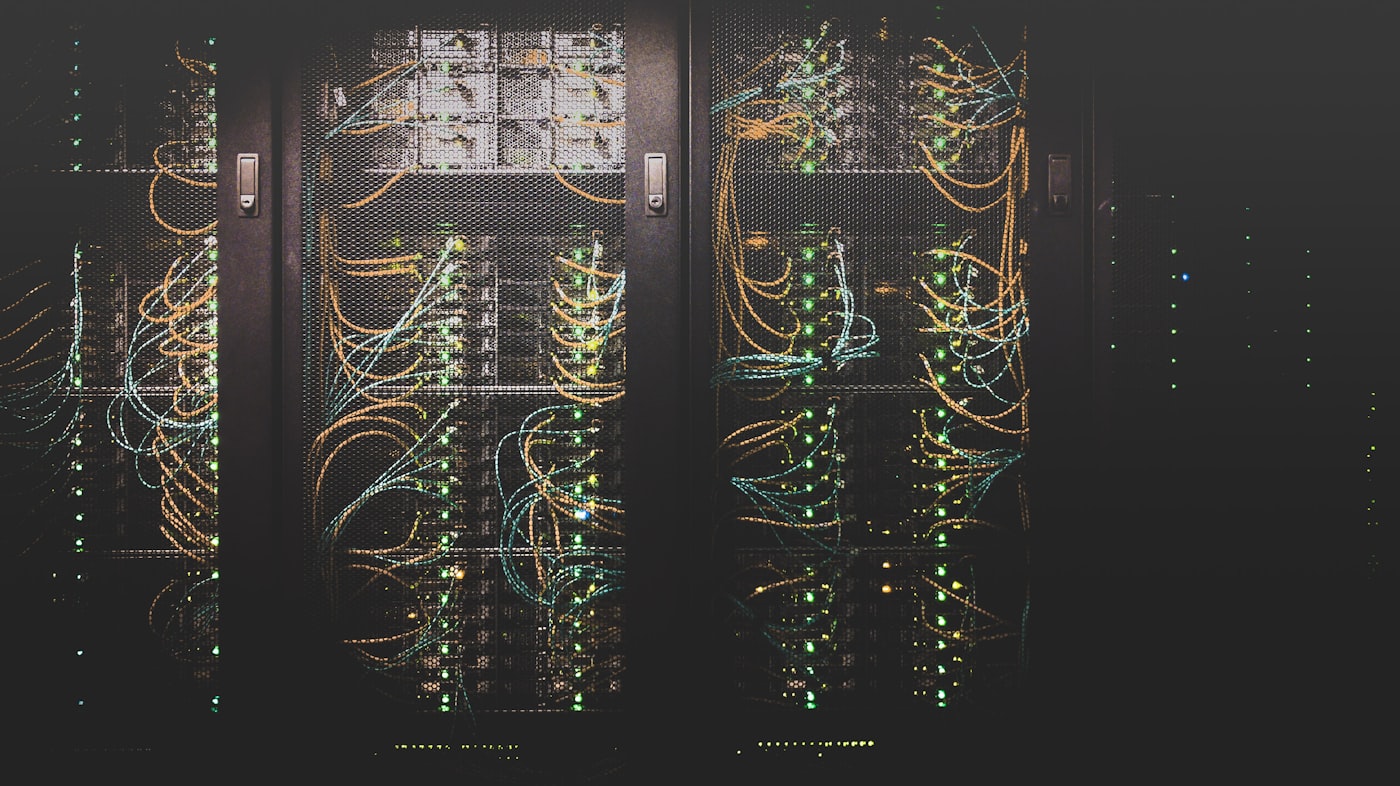
Live workflow, illustrative
Inventory feed → Forecast → Reorder stock — six lines trending short, draft order raised.
Why Exintix
Most operational delay sits between knowing and doing. Exintix is designed to remove that gap by treating information, intelligence and execution as one system rather than three.
Bring ERP records, sensor telemetry, spreadsheets and third-party APIs into one governed information layer with consistent schemas.
Run forecasting, anomaly detection and policy rules over live data, so signals are interpreted before anyone is asked to react.
Turn a conclusion into an action: raise a ticket, notify a shift lead, adjust a replenishment plan or update the downstream system of record.
Each run records the inputs, the logic applied and the action taken, so operations teams can explain exactly why something happened.
Interactive demo
Add blocks to the three lanes, click one block and then another to connect them, and press Run to watch data move through the chain. Everything here is an illustrative demonstration using sample data.
Block palette
Tap or click a block to add it to its lane. On a mouse you can also drag it across.
Add blocks, connect them, then run the workflow.
Information
Sources and feeds
Intelligence
Models and rules
Execution
Actions in systems
Results panel
Run the workflow to see sample output for each step in the chain.
Demo only — figures shown are illustrative sample data, not live results.
How it works
The same structure applies whether the workflow watches a production line or a purchase ledger.
Connect sources and describe what each one represents. Exintix normalises fields and keeps a lineage record for every value it ingests.
Choose the models and rules that interpret the data — thresholds, forecasts, classifications — and set the conditions that make a signal actionable.
Attach the actions each signal should trigger, with owners, escalation paths and the approvals that must happen before anything is committed.
Workflows run continuously. Every run is logged, measured and versioned, so teams can tune logic without losing the record of what came before.
Pillars
Information
Sources are connected once and described in shared terms. Schema drift, late-arriving records and duplicate identifiers are handled at the boundary rather than in downstream reports.
Intelligence
Models and rules sit beside the data they read. Every conclusion carries the inputs and thresholds behind it, so a flagged signal can be examined rather than trusted blindly.
Execution
Execution steps write back into the systems your teams already use, with approvals, retries and rollback so automation stays inside operational control.
Use cases by industry
Illustrative scenarios showing how an Exintix workflow could be shaped in different sectors. They describe intended use, not delivered projects.
Machine telemetry and quality inspection results are read together. When drift appears across consecutive batches, the workflow raises a maintenance ticket, reserves the replacement part and notifies the shift supervisor before scrap rates climb.

Who this is for
Illustrative profiles of the teams the Exintix concept is aimed at.
The signals are already visible; the problem is that acting on them means five tools and a chase-up. An Exintix workflow would close that gap.
Warehouses and models are in place, but nothing downstream is triggered by them. Execution becomes part of the same design.
Where a client runs a mix of legacy and modern systems, a shared information and execution layer avoids another point-to-point integration.
Security and governance
Governance is part of the design rather than a later addition. The controls below describe the intended model for the platform.
Permissions are set per workflow, per connector and per action, so the ability to read data is separate from the ability to trigger something.
Any execution step can require named approval. Nothing writes back to a system of record until the gate is cleared.
Inputs, logic version, approver and outcome are captured for every run and retained under your own retention settings.
Draft, test and live workflows are kept apart, with promotion between them handled as an explicit, reviewable change.

About the name
Exintix is a coined technology name, built to sound engineered rather than descriptive. The intended associations are intelligence, integration and execution — the three ideas the platform concept joins together.
It is short, pronounceable in one beat and carries no existing sector meaning, which makes it straightforward to own as a product name across enterprise software, data infrastructure and automation.
FAQ
Request a demo
Describe the signal you already see and the action it should trigger. This form is part of a concept demonstration, so nothing is sent or stored.
